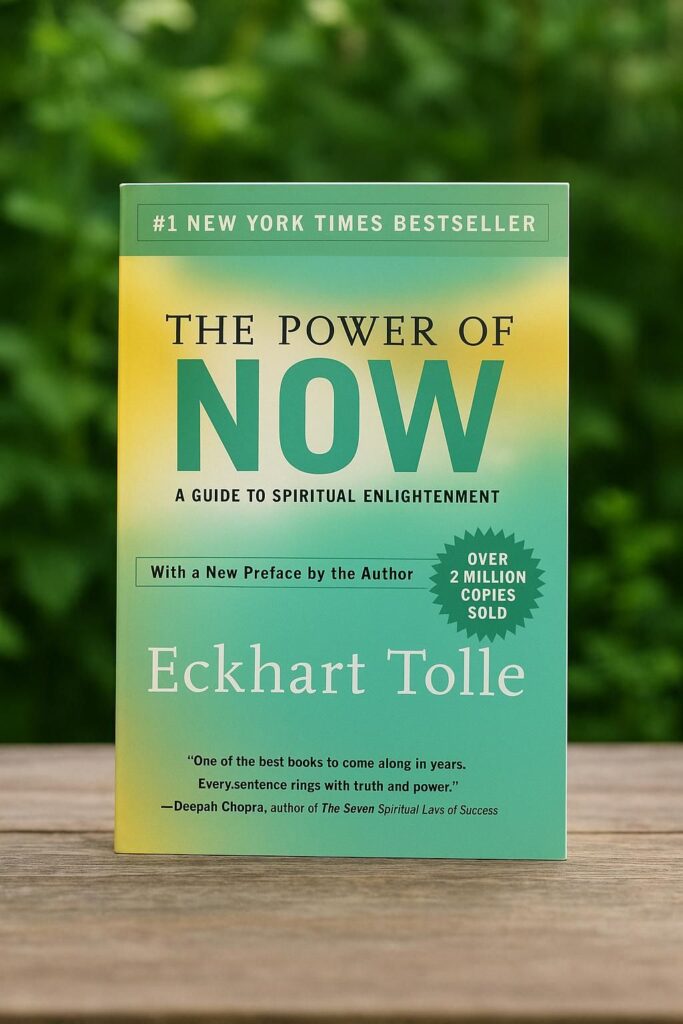
Certain books teach you things. Others shift your paradigm. The Power of Now by Eckhart Tolle belongs to the latter category. Reading it is not an experience—it’s an awakening.In this in-depth The Power of Now Read more
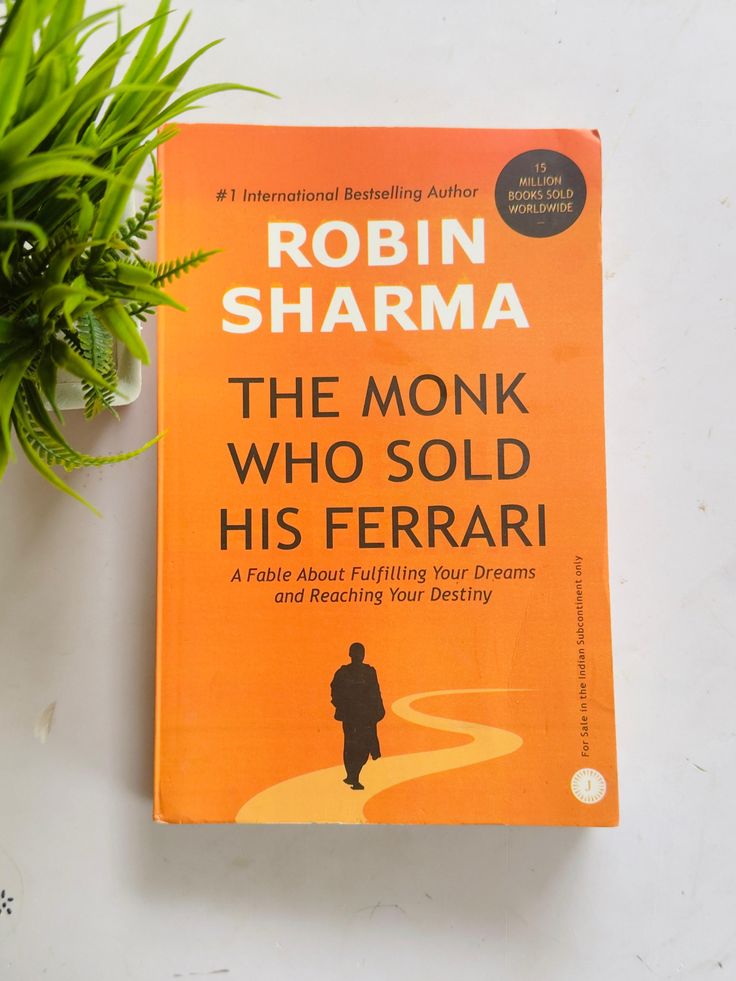
While some books inspire you for a week or two, some inspire you for the rest of your life. “The Monk Who Sold His Ferrari” is a motivational book of the latter kind. In this Read more
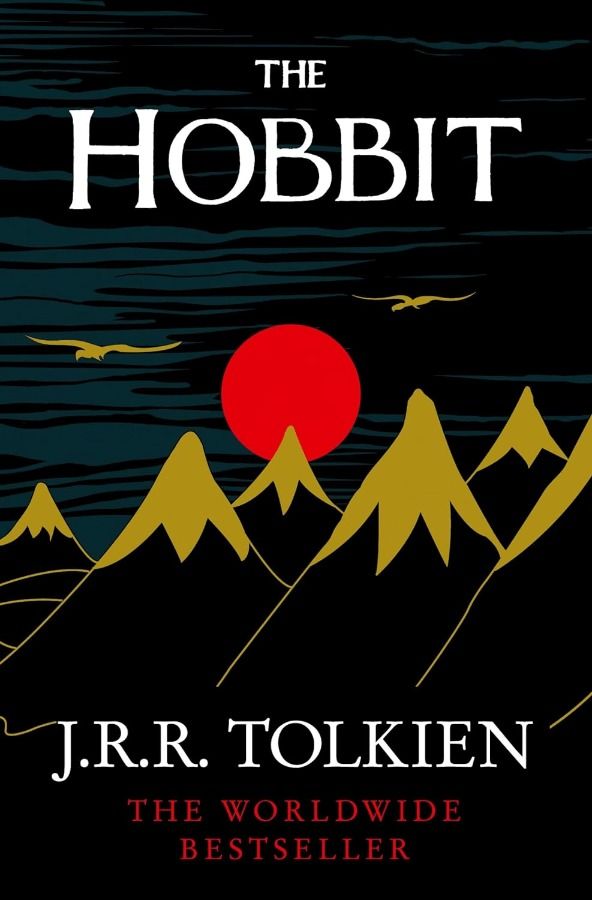
Published in 1937, The Hobbit Book is J.R.R. Tolkien’s groundbreaking fantasy adventure that first introduced Middle-earth to readers. It tells the story of Bilbo Baggins, a reluctant hero who joins an epic quest and discovers Read more
Some books entertain, others educate, but very few have the power to change how we see the world. Harper Lee’s To Kill a Mockingbird is one such masterpiece. First published in 1960, this Pulitzer Prize-winning novel continues to resonate across generations, sparking discussions on justice, morality, race, and empathy.
If you are searching for a To Kill a Mockingbird book review that not only summarizes the story but also extracts deep lessons and insights, this detailed article is exactly what you need.
👩 About the Author – Harper Lee
Harper Lee (1926–2016) was an American novelist born in Monroeville, Alabama. Growing up in the racially segregated South shaped her worldview and inspired much of To Kill a Mockingbird. Although this was her only published work for decades, it cemented her as a literary legend. In 2015, her second book Go Set a Watchman was published, though many readers see it as an earlier draft of her masterpiece.
Lee’s writing is celebrated for its moral clarity, empathy, and simple yet powerful storytelling, making her one of the most influential voices in modern literature.
📚 Book Overview / Detailed Summary
Setting and Narration
The novel is set in the small town of Maycomb, Alabama, during the Great Depression of the 1930s. It is narrated by Jean Louise “Scout” Finch, a young girl who recalls her childhood experiences, family life, and her father’s fight for justice. The story’s power lies in its combination of childhood innocence and serious social issues.
Main Characters
Scout Finch – The narrator, curious and strong-willed, who learns about justice and prejudice.
Jem Finch – Scout’s older brother, who matures and struggles with the harsh realities of racism.
Atticus Finch – Their father, a lawyer who symbolizes integrity, fairness, and moral courage.
Tom Robinson – A Black man falsely accused of raping a white woman.
Boo Radley – A mysterious neighbor who becomes a symbol of kindness and misunderstood innocence.
Plot Summary
The story begins with Scout and Jem enjoying childhood adventures with their friend Dill, often fascinated by the mysterious neighbor Boo Radley. While these innocent escapades unfold, the larger narrative centers around their father, Atticus Finch, who takes on the case of Tom Robinson, a Black man falsely accused of raping Mayella Ewell, a poor white woman.
As the trial progresses, the children witness the deep racial prejudice of their town. Despite Atticus presenting strong evidence of Tom’s innocence, the all-white jury convicts him, revealing how justice is corrupted by racism. Tom Robinson later attempts to escape prison and is killed, a tragic symbol of the hopelessness faced by Black Americans in that era.
Parallel to this, the children’s perception of Boo Radley shifts. Once considered a frightening recluse, Boo ultimately saves Scout and Jem from an attack by Bob Ewell (Mayella’s father), proving himself to be compassionate and protective. This reinforces Atticus’s teaching that “you never really understand a person until you climb into their skin and walk around in it.”
Themes Explored
Racial Injustice – The unfair trial highlights systemic racism.
Loss of Innocence – Scout and Jem learn painful truths about society.
Moral Courage – Atticus embodies justice, even when unpopular.
Compassion and Empathy – Seeing the world from another’s perspective is a central lesson.
Symbolism of the Mockingbird – Representing innocence and goodness, mockingbirds should never be harmed, just as innocent people should not be wronged.
👉 For a quick read, you can also find To Kill a Mockingbird summary PDFs online, but nothing compares to reading the book in full.
🌟 Key Lessons from To Kill a Mockingbird
Walk in others’ shoes before judging them.
Courage is fighting for what’s right, even if you lose.
Children’s innocence often reveals uncomfortable truths.
Prejudice destroys fairness and justice.
Stand firm in your morals despite social pressure.
Protect the innocent—the “mockingbirds” of society.
Awareness of injustice is the first step toward change.
Good parenting can instill strong values.
Small kindnesses can have lasting impacts.
Inequality isn’t only racial—it’s also about class and gender.
✅ Pros & ❌ Cons
Pros
Deep themes wrapped in an engaging story.
Characters like Atticus Finch inspire moral integrity.
Universal relevance across time and culture.
Easy-to-read style despite heavy themes.
Cons
Some parts move slowly for modern readers.
Cultural references may feel distant for non-Americans.
Tom Robinson’s perspective is less developed compared to others.
👥 Who Should Read This Book?
Students studying American or world literature.
Readers passionate about justice, morality, or human rights.
Anyone who enjoys character-driven storytelling.
Those seeking life-changing lessons from literature.
📝 Final Thoughts & Recommendation
To Kill a Mockingbird isn’t just a novel—it’s a mirror of society. Harper Lee’s timeless story urges us to reflect on our values, our biases, and our responsibilities as human beings.
👉 Whether you’re reading it for school, personal growth, or pure enjoyment, this classic will leave you with lessons that stay for a lifetime.
You can buy it onAmazon or find a download To Kill a Mockingbird PDF from legitimate literature archives.
✨ The Review Book Shelf provides free PDF and detailed reviews of famous books and biographies.
What is the main lesson from To Kill a Mockingbird?
That empathy and fairness are essential to justice—understanding others is the key to moral growth.
Is To Kill a Mockingbird worth reading?
Yes, it remains one of the most powerful classics on morality and justice.
Who is the author of To Kill a Mockingbird?
It was written by Harper Lee, an American novelist.
Why is To Kill a Mockingbird considered a classic?
Because it blends storytelling with powerful themes like racism, morality, and compassion, remaining relevant across decades.
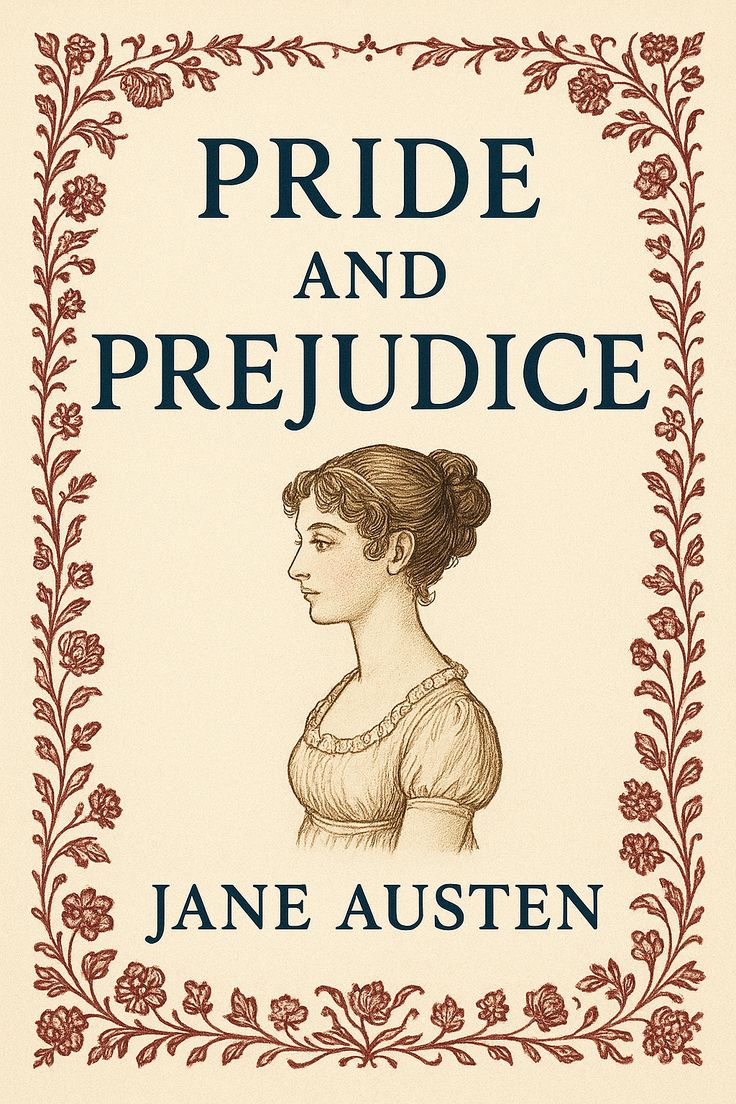
Some books are not just novels; some books are mirrors of our society. Pride and Prejudice, a masterpiece written by Jane Austen and published in 1813, definitely fits that criteria. In this detailed Pride and Read more
Few novels have left as powerful an imprint on global culture as George Orwell’s 1984. Published in 1949, it remains one of the most influential dystopian novels of all time. Terms like Big Brother, Thought Read more


0 Comments