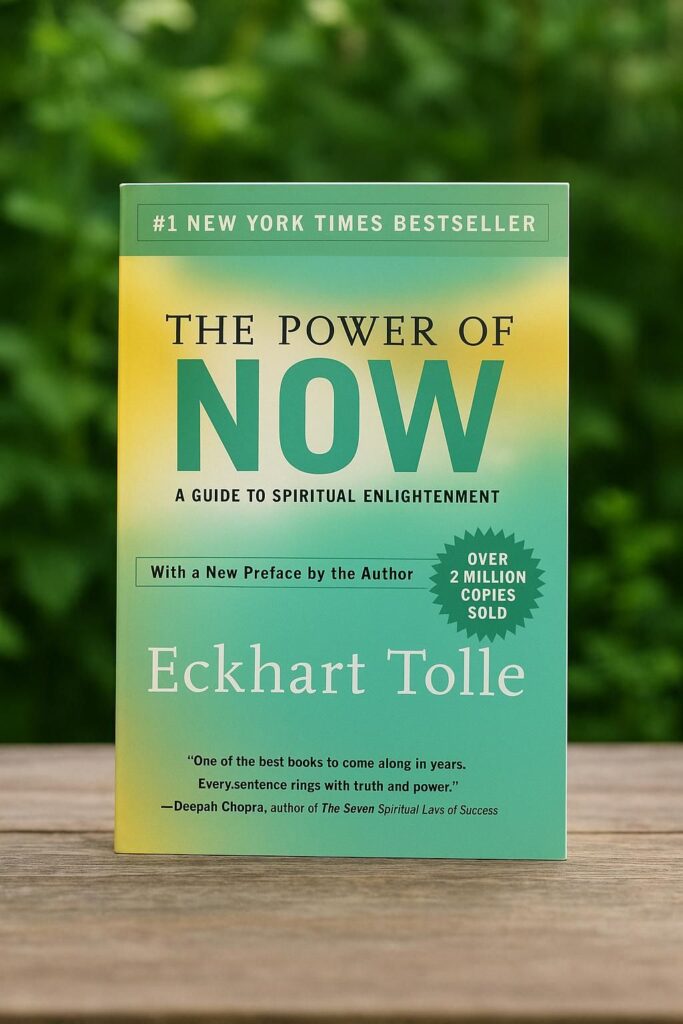
Certain books teach you things. Others shift your paradigm. The Power of Now by Eckhart Tolle belongs to the latter category. Reading it is not an experience—it’s an awakening.In this in-depth The Power of Now Read more
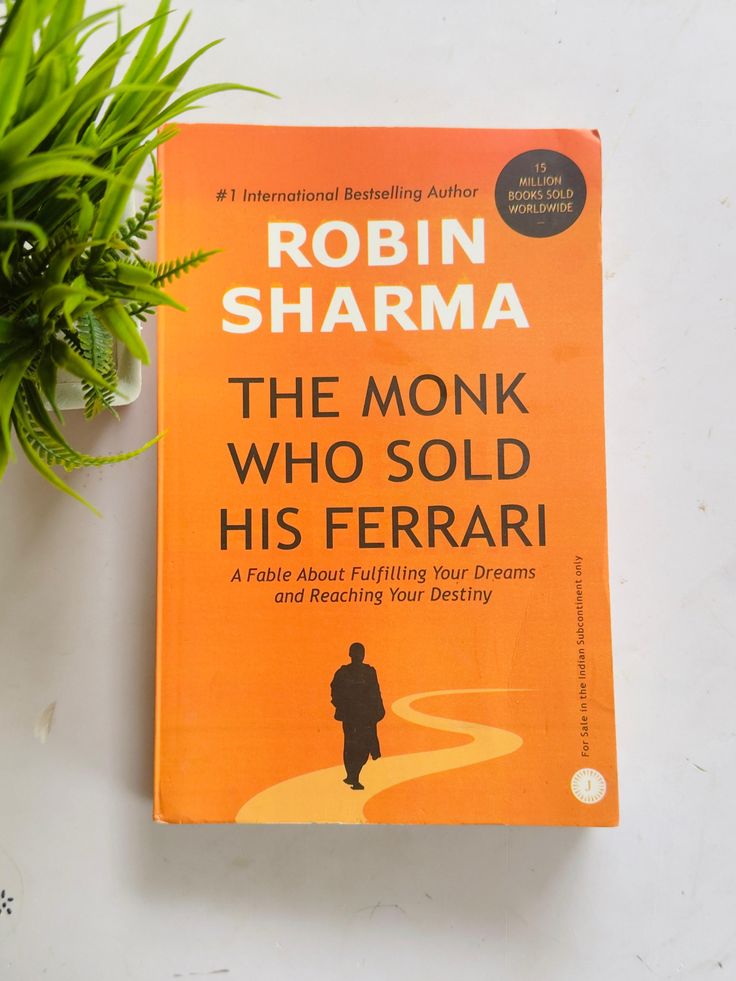
While some books inspire you for a week or two, some inspire you for the rest of your life. “The Monk Who Sold His Ferrari” is a motivational book of the latter kind. In this Read more
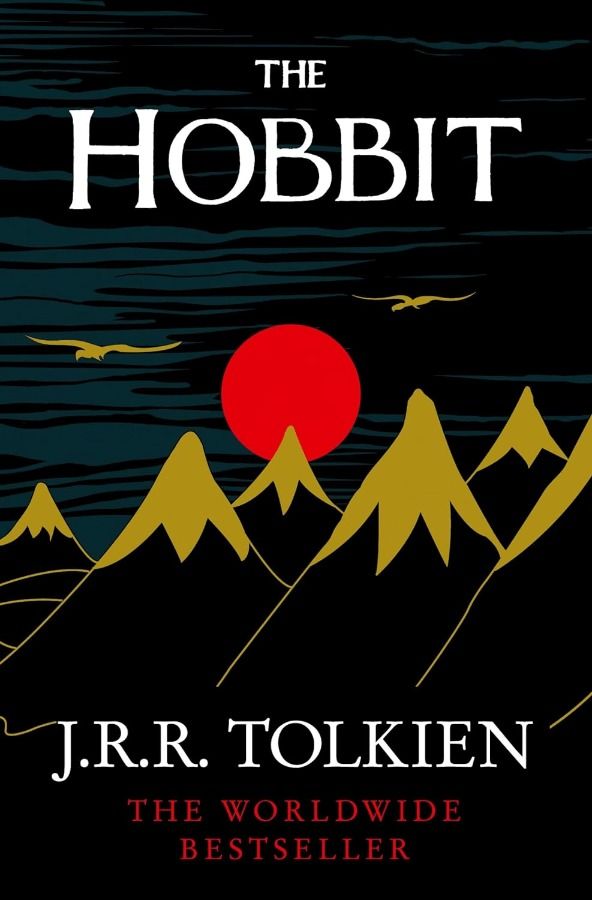
Published in 1937, The Hobbit Book is J.R.R. Tolkien’s groundbreaking fantasy adventure that first introduced Middle-earth to readers. It tells the story of Bilbo Baggins, a reluctant hero who joins an epic quest and discovers Read more
Some books don’t just inform—they transform. The 7 Habits of Highly Effective People by Stephen R. Covey, first published in 1989, is one of those rare classics. For over three decades, it has remained a guiding framework for personal growth, leadership, and effectiveness.
In this The 7 Habits of Highly Effective People book review, we’ll explore the book’s summary, key lessons, pros & cons, FAQs, and why it’s still relevant in 2025.
👤 About the Author – Stephen R. Covey
Stephen Richards Covey (1932–2012) was a renowned American author, business leader, and educator. With a Doctorate in Religious Education from Brigham Young University, Covey merged psychology, management science, and timeless wisdom into actionable habits.
His book became one of the best-selling self-help books of all time (40+ million copies sold). Covey also co-founded FranklinCovey, a global leadership consulting firm that continues his teachings.
Covey divides the 7 habits into three major areas: Private Victory, Public Victory, and Renewal.
🌱 Private Victory (Habits 1–3)
Be Proactive – Take responsibility for your life. Focus on what you can control (Circle of Influence) instead of worrying about what you can’t (Circle of Concern).
Begin with the End in Mind – Live with vision. Define your mission and values before making decisions.
Put First Things First – Manage priorities by focusing on important, not just urgent, tasks.
🤝 Public Victory (Habits 4–6)
Think Win-Win – Build relationships on fairness and shared success.
Seek First to Understand, Then to Be Understood – Listen with empathy before you speak.
Synergize – Collaborate creatively; the whole is greater than the sum of its parts.
🔄 Renewal (Habit 7)
Sharpen the Saw – Renew your energy regularly—physically, mentally, emotionally, and spiritually.
“The main thing is to keep the main thing the main thing.” — Stephen R. Covey
🌟 Key Lessons from The 7 Habits
Responsibility is Freedom – Taking ownership of your actions gives control over your life.
Clarity Creates Power – When you know your values, decisions become easier.
Urgent ≠ Important – True productivity lies in focusing on what truly matters.
Practical tools for both personal and professional growth.
Universally applicable across cultures and professions.
❌ Cons
Some examples feel dated in 2025.
Requires discipline to apply consistently.
Slightly dense for casual readers.
👥 Who Should Read This Book?
Students seeking focus and time management.
Leaders & managers building effective teams.
Entrepreneurs who want sustainable success.
Anyone wanting to live a balanced, purpose-driven life.
💡 Final Thoughts & Recommendation
Stephen Covey’s The 7 Habits of Highly Effective People is not just a self-help book—it’s a lifestyle manual. Even in 2025, its lessons remain highly relevant for anyone wanting to move from being “busy” to truly effective.
👉 Buy it on Amazon or explore download The 7 Habits of Highly Effective People PDF for quick study.
✨ The Review BOok Shelf provides free PDF and detailed reviews of famous books and biographies.
. What is the main lesson from The 7 Habits of Highly Effective People?
That long-term success comes from building habits aligned with universal principles like responsibility, vision, and collaboration.
Is this book still relevant in 2025?
Yes, its lessons on leadership, productivity, and relationships are timeless.
Who is the author of The 7 Habits of Highly Effective People?
The author is Stephen R. Covey, a global expert on leadership and personal growth.
How long does it take to read the book?
Roughly 7–10 hours, but applying its lessons is a lifelong process.
While some books inspire you for a week or two, some inspire you for the rest of your life. “The Monk Who Sold His Ferrari” is a motivational book of the latter kind. In this Read more
Can’t Hurt Me Book Review – David Goggins Some books motivate you for a day. Some for a week. But a few, like Can’t Hurt Me by David Goggins, have the power to rewire your Read more
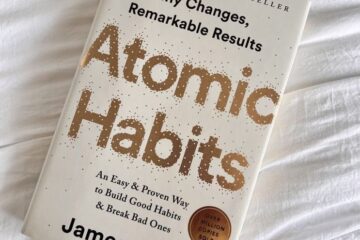
Introduction Do you aspire to transform your life but feel daunted by significant aspirations? In his acclaimed self-help book Atomic Habits, James Clear asserts that success is not derived from grand gestures but from Read more


0 Comments