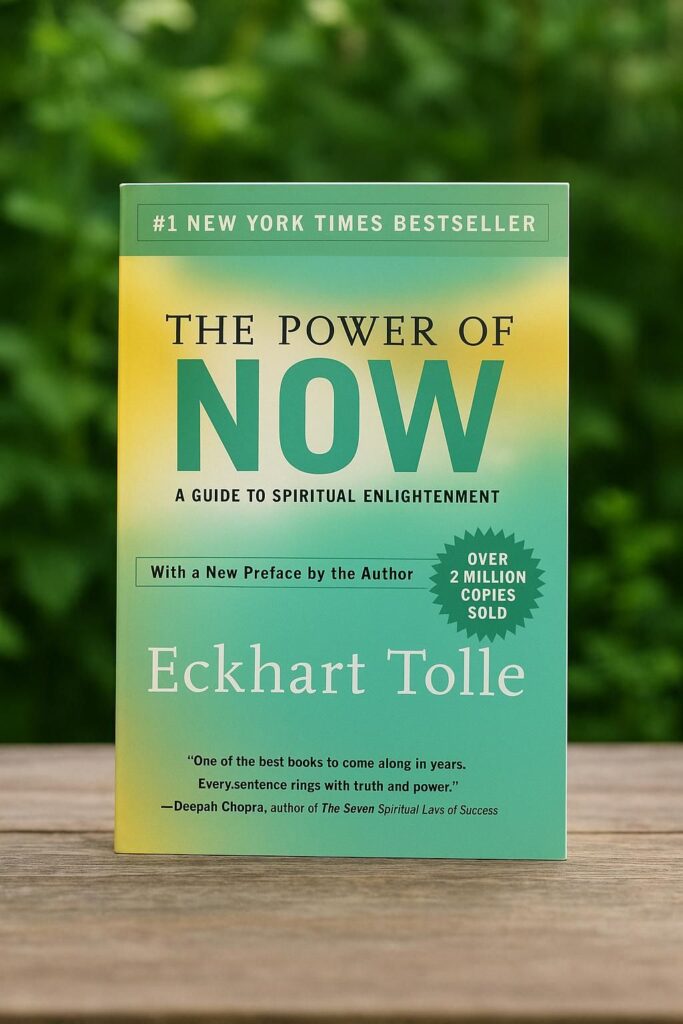
Certain books teach you things. Others shift your paradigm. The Power of Now by Eckhart Tolle belongs to the latter category. Reading it is not an experience—it’s an awakening.In this in-depth The Power of Now Read more
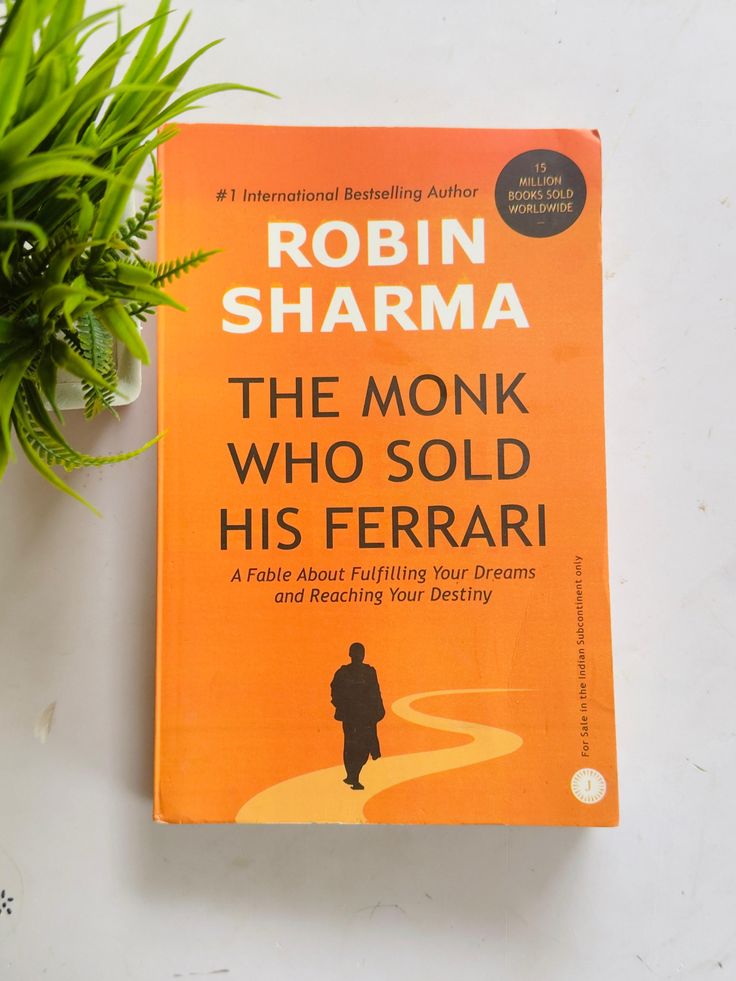
While some books inspire you for a week or two, some inspire you for the rest of your life. “The Monk Who Sold His Ferrari” is a motivational book of the latter kind. In this Read more
Published in 1937, The Hobbit Book is J.R.R. Tolkien’s groundbreaking fantasy adventure that first introduced Middle-earth to readers. It tells the story of Bilbo Baggins, a reluctant hero who joins an epic quest and discovers Read more
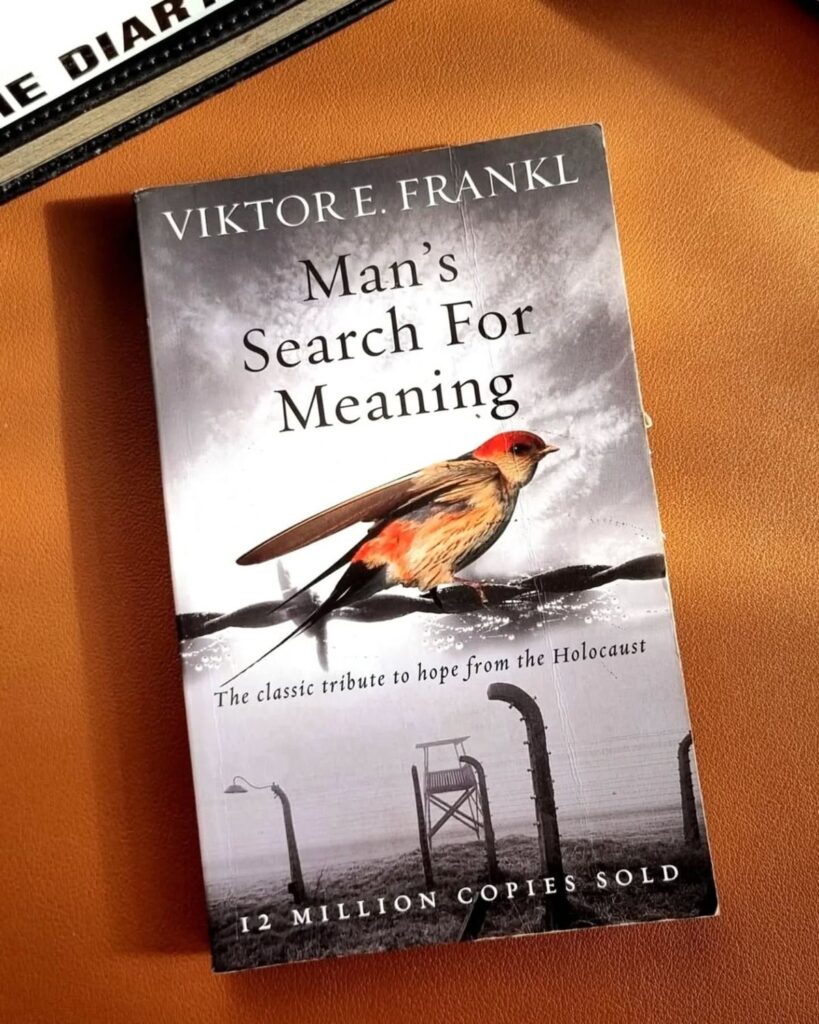
When life collapses into uncertainty, what keeps us moving? Man’s Search for Meaning answers this with disarming clarity. Psychiatrist Viktor E. Frankl—a Holocaust survivor—blends memoir and psychology to show that human beings can endure almost anything if they can see a why behind their how.
In this Man’s Search for Meaning book review, you’ll find a crisp summary, key lessons, quotes, pros & cons, who should read, action steps, and an SEO-friendly FAQ. If you’re searching for purpose—or guiding others to find theirs—this is the book to keep within reach.
👤 About the Author – Who Is Viktor Frankl?
Viktor E. Frankl (1905–1997) was an Austrian neurologist & psychiatrist and the founder of logotherapy (from the Greek logos, meaning purpose/meaning). After surviving multiple Nazi camps, including Auschwitz, he articulated a therapy built on a single conviction: the primary human drive is meaning—not pleasure or power.
Frankl’s classic originated in German in 1946 and later reached the world in English as Man’s Search for Meaning, widely published by Beacon Press. His clinical work, lectures, and books influenced psychotherapy, coaching, and leadership worldwide.
📚 Man’s Search for Meaning Summary (Clear & Concise)
Frankl structures the book in two parts:
1) Experiences in a Concentration Camp
Frankl narrates camp life from a psychiatrist’s eye: arrival shock, apathy as a defense, and moral choices amid deprivation. He observes that survival correlated less with physical strength and more with inner orientation—a future goal, a loved one to live for, a task unfinished. Even when everything was taken, prisoners retained the freedom to choose their attitude.
“Everything can be taken from a man but one thing: the last of the human freedoms—to choose one’s attitude.”
2) Logotherapy in a Nutshell
Frankl explains logotherapy: people suffer not only from conflicts and trauma but from existential vacuum—a loss of meaning. Healing comes by discovering purpose through:
Creative work (what you give to the world)
Experiencing love, beauty, nature (what you receive from the world)
Attitude toward unavoidable suffering (how you bear the unbearable)
Meaning is personal and situational: it changes from moment to moment, and we must answer life’s questions by acting responsibly.
🧭 Deep Dive: Core Ideas That Make This Book Endure
A. Meaning over Pleasure/Power
Where Freud emphasized pleasure and Adler power, Frankl argues the central human need is meaning. When meaning is blocked, we slide into boredom, nihilism, or addiction.
B. Freedom within Limits
Frankl doesn’t promise freedom from constraints; he shows how to exercise freedom within them—choosing values, responses, and responsibilities even when circumstances are brutal.
C. Suffering as a Meaning-Making Space
Suffering isn’t “good,” but unavoidable pain can be dignified by a chosen stance—courage, love, service, faith. This reframes despair into duty.
D. Responsibility as the Answer
Frankl flips the question: instead of asking what we want from life, life is asking us. Our task is to respond—to the opportunity, the person before us, the work only we can do.
🌟 10 Powerful Lessons (Action-Oriented)
You can endure if you have a why. Locate one concrete future task or person to live for—today.
Attitude is your last freedom. Practice the micro-choice: pause → label emotion → choose a value-aligned response.
Meaning is discovered, not invented. Look to work, love, and courageous suffering for your next right step.
Goals must be vivid. Write a 1-sentence purpose for the next 7 days; keep it visible.
Transform pain into service. Channel private struggle into public good—mentor, volunteer, or share your story.
Beware the existential vacuum. If you feel empty, schedule creative output (write, build, teach) before passive input.
Love perceives potential. See people not as they are but as they could be—start with yourself.
Suffering is not required—but response is. Don’t romanticize pain; if it’s avoidable, solve it. If not, spiritualize it.
Hope is a skill. Build a future image (time-boxed, specific) and revisit it daily for 60 seconds.
Responsibility gives direction. Ask each morning: What is life asking of me today?
🧪 Applying Logotherapy: A Mini Tool-Kit
The Meaning Map (5 minutes):
Work I can contribute: ______
People/beauty I can receive: ______
Unavoidable pain I can dignify: ______
One responsible action today: ______
Attitude Reframe: When stuck, complete: “Even though ___, I choose to ___ because ___ matters.”
Future Preview: Write a 100-word scene of your life 90 days from now—what you’re doing, with whom, why it matters.
✅ Pros & ❌ Cons
✅ Pros
Concise yet profound; blends memoir + therapy.
Offers practical, humane tools for purpose.
Suitable for readers from self-help to clinical psychology.
❌ Cons
Holocaust accounts are emotionally heavy.
Philosophical sections may feel dense to beginners.
Doesn’t provide step-by-step clinical protocols (it’s a primer).
👥 Who Should Read Man’s Search for Meaning?
Students & professionals in psychology, counseling, coaching, leadership.
Readers in transition (career change, loss, burnout).
Anyone asking: “What is my life for?”
Book clubs/faith groups exploring resilience, ethics, purpose.
✍️ Memorable, Short Quotes (for safe fair use)
“Those who have a why can bear almost any how.”
“The last of the human freedoms: to choose one’s attitude.”
“Happiness ensues; it cannot be pursued.”
“Life is never made unbearable by circumstances, but only by lack of meaning.”
(Each quote kept brief to avoid over-quoting.)
🔎 Man’s Search for Meaning vs. Other Classics (Quick Context)
With Nietzsche/Camus: Frankl answers existential angst not with absurdism but with responsibility.
With Stoicism: Shares the Stoic insight on control of attitude, but centers purpose over tranquility.
With CBT: Anticipates cognitive reframing, yet roots change in meaning, not only thought patterns.
🧩 Common Misreadings to Avoid
“Meaning = grand mission.” Sometimes meaning is modest and immediate: showing up for a patient, child, or colleague today.
“Suffering is mandatory.” No—avoid pain when you can; redeem it when you cannot.
“Meaning is fixed.” It is situational; your meaningful task this week may differ from next.
📌 Ethical Note: “Download Man’s Search for Meaning PDF”

0 Comments