Certain books teach you things. Others shift your paradigm. The Power of Now by Eckhart Tolle belongs to the latter category. Reading it is not an experience—it’s an awakening.In this in-depth The Power of Now Read more
While some books inspire you for a week or two, some inspire you for the rest of your life. “The Monk Who Sold His Ferrari” is a motivational book of the latter kind. In this Read more
Published in 1937, The Hobbit Book is J.R.R. Tolkien’s groundbreaking fantasy adventure that first introduced Middle-earth to readers. It tells the story of Bilbo Baggins, a reluctant hero who joins an epic quest and discovers Read more
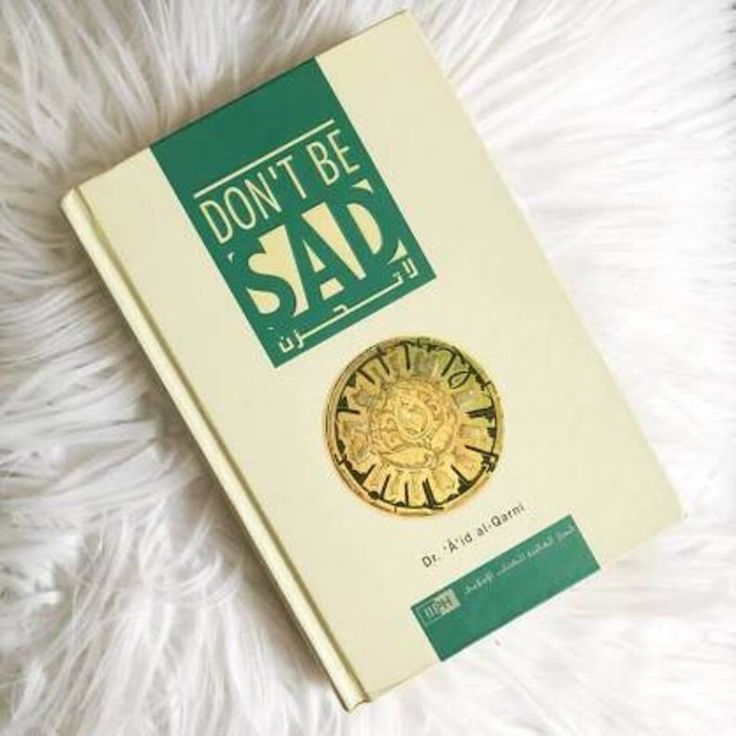
Life is a test, filled with ups and downs. No one is free from hardship—loss, stress, anxiety, and sadness touch every human being. In such times, books like Don’t Be Sad by Dr. Aaidh ibn Abdullah al-Qarni serve as reminders that peace is possible through faith.
Originally written in Arabic (La Tahzan), this international bestseller has been translated into dozens of languages and continues to inspire millions of readers. It is not just a self-help book but a spiritual companion based on the Qur’an, Sunnah, and wisdom of scholars throughout history.
This Don’t Be Sad book review explores the summary, chapter insights, key lessons, quotes, Islamic references, pros & cons, and who should read it—making it a complete guide for those seeking solace in difficult times.
👨 About the Author – Dr. Aaidh ibn Abdullah al-Qarni
Dr. Aaidh ibn Abdullah al-Qarni, born in 1959 in Saudi Arabia, is a respected scholar, preacher, and author. He studied Islamic jurisprudence, Qur’an, and Hadith, later earning his doctorate in Hadith studies.
He became famous worldwide through La Tahzan (Don’t Be Sad), a book that combines:
The book addresses sadness, depression, and hopelessness—problems common in today’s world. Instead of relying on psychology alone, the author presents Islamic guidance:
Trust Allah (Tawakkul)
Accept Qadr (destiny)
Be patient (Sabr)
Show gratitude (Shukr)
Live in the present
Avoid excessive worry about the past or future
Find joy in helping others
💬 Quote from the book: “If you are truthful with Allah, He will never forsake you. So do not be sad.”
📖 Chapter-by-Chapter Insights
📝 Part One – Coping with Sadness
Reminds readers that sadness is natural but should not control life.
Emphasizes Qur’anic verse: “So do not weaken and do not grieve, and you will be superior if you are [true] believers.” (Qur’an 3:139)
📝 Part Two – Live for Today
The past is gone, the future is unseen; focus on today.
Hadith: “When evening comes, do not wait for the morning, and when morning comes, do not wait for the evening.” (Sahih Bukhari)
📝 Part Three – Contentment and Gratitude
Real happiness comes from appreciating what Allah has given.
Qur’an: “And He found you poor and made you self-sufficient.” (Qur’an 93:8)
📝 Part Four – Lessons from History
Uses stories of Prophets (Yusuf, Ayub, Yunus) as examples of patience.
Prophet Ayyub’s endurance despite illness is highlighted as the ultimate role model for Sabr.
📝 Part Five – The Cure for Anxiety
Remembrance of Allah (Dhikr) brings tranquility.
Qur’an: “Verily, in the remembrance of Allah do hearts find rest.” (Qur’an 13:28)
📝 Part Six – Positive Thinking
Encourages optimism and hope in Allah’s mercy.
Prophet ﷺ said: “None of you should die except while assuming the best about Allah.” (Sahih Muslim)
📝 Part Seven – Dealing with People
Avoid envy, jealousy, and harmful comparisons.
Stay connected with righteous people who remind you of Allah.
📝 Part Eight – Finding Joy in Helping Others
Charity, kindness, and service to humanity ease personal sadness.
Hadith: “The most beloved people to Allah are those who are most beneficial to the people.” (Al-Mu’jam al-Awsat)
🌟 Key Lessons from the Book
Every trial is temporary – “Indeed, with hardship comes ease” (Qur’an 94:6).
Patience is the key to success – Difficulties bring spiritual growth.
Live in the present – Dwelling on the past or fearing the future wastes energy.
Optimism is Sunnah – The Prophet ﷺ loved good expectations.
Helping others heals you – Giving charity and showing kindness reduce sadness.
Faith > Fear – Trust in Allah removes worry.
Forgiveness frees the soul – Letting go of grudges brings peace.
✅ Pros & ❌ Cons
✅ Pros
Deeply rooted in Qur’an & Sunnah
Easy to read, short motivational sections
Inspires hope, patience, and trust in Allah
Universally relatable lessons
❌ Cons
Repetitive themes
Requires basic Islamic understanding
Less appeal for readers seeking scientific psychology-based solutions
👥 Who Should Read Don’t Be Sad?
Muslims facing stress, depression, or life struggles
Students of Islamic spirituality
Anyone seeking faith-based motivation
Non-Muslims exploring Islam’s perspective on happiness
📝 Famous Quotes
“Happiness is not found in wealth, beauty, or status—it is found in contentment of the heart.”
“Do not grieve over what has passed unless it makes you work for what is about to come.”
“Your life is the product of your thoughts. So think of goodness and you will be happy.”
“If you are filled with worry, then you are worshipping a false god.”
🕌 Qur’an & Hadith References Used
Qur’an 3:139
Qur’an 13:28
Qur’an 94:5-6
Qur’an 93:8
Hadith (Sahih Bukhari) – Live for today
Hadith (Sahih Muslim) – Think well of Allah
Hadith (Al-Mu’jam al-Awsat) – Helping others
📝 Final Thoughts
Don’t Be Sad is more than a self-help book—it is a manual for spiritual healing. Through Qur’an, Sunnah, and timeless wisdom, Dr. Aaidh ibn Abdullah al-Qarni shows that sadness does not define us. True peace lies in trusting Allah, living with gratitude, and spreading kindness.
Muslims today are faced with the dilemma of being spiritual, purpose-driven, and productive in this fast-paced world. In “In the Early Hours” by Khurram Murad, readers are provided with guidance on reconnecting with Allah and Read more
Certain books teach you things. Others shift your paradigm. The Power of Now by Eckhart Tolle belongs to the latter category. Reading it is not an experience—it’s an awakening.In this in-depth The Power of Now Read more
When life feels heavy, the heart longs for freedom. Reclaim Your Heart by Yasmin Mogahed is more than a book—it’s a spiritual journey back to yourself, back to Allah, and back to true inner peace. Read more

0 Comments