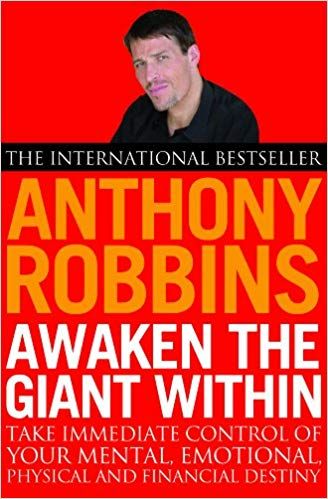
If you are searching for an honest Awaken the Giant Within review, this comprehensive blog post will walk you through the summary, ideas, lessons, pros and cons, and whether this renowned self-help book is still Read more
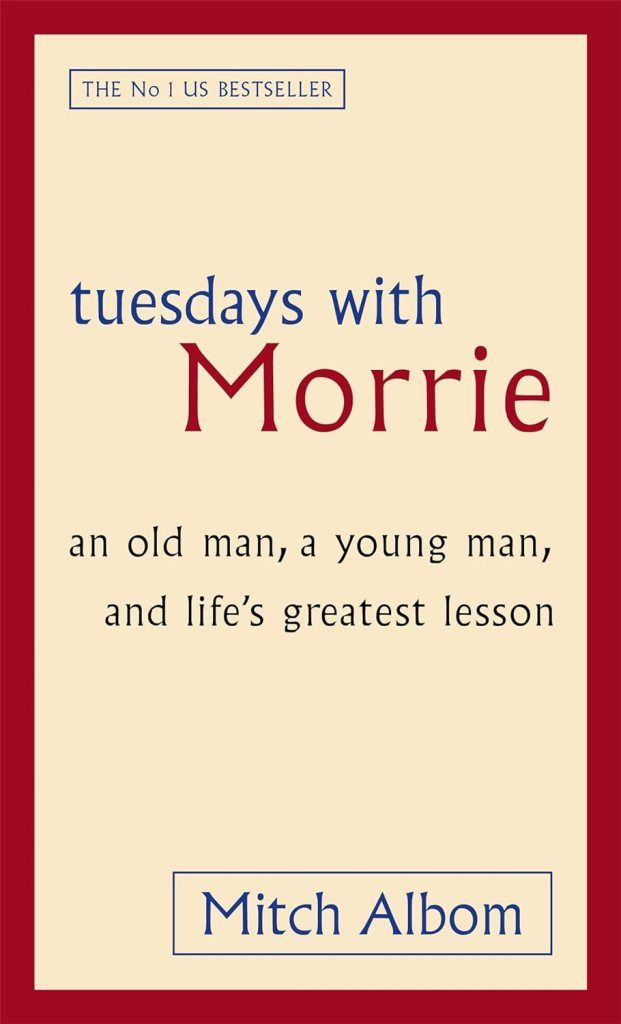
If you’re looking for a complete and honest Tuesdays with Morrie book review, in this in-depth blog post, we will examine the summary, themes, character analysis, writing style, lessons learned, and whether this inspiring autobiographical Read more
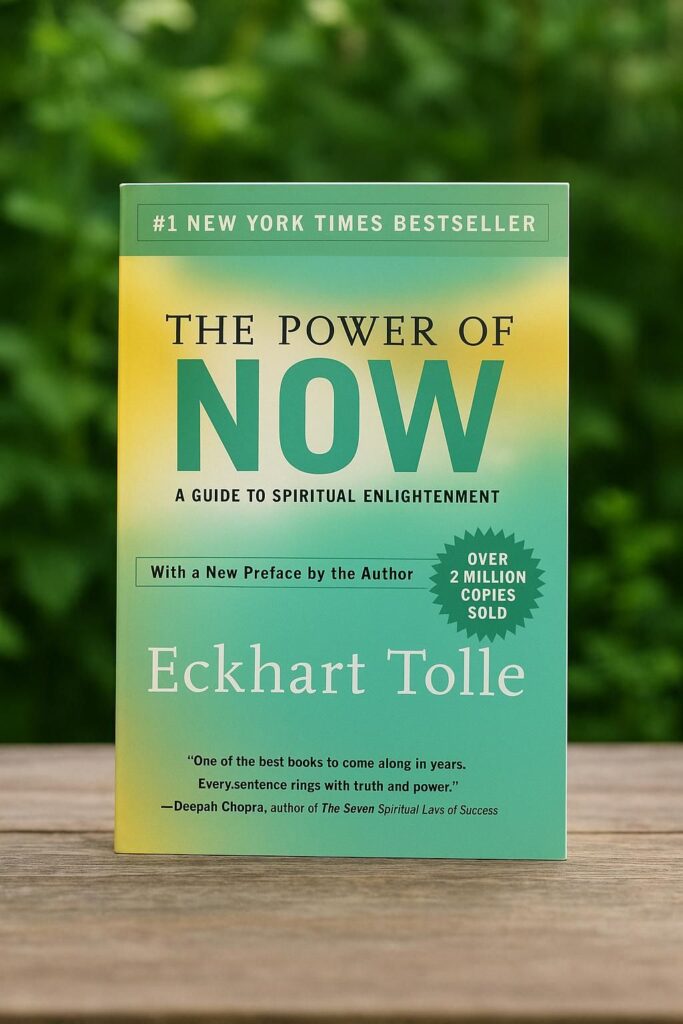
Certain books teach you things. Others shift your paradigm. The Power of Now by Eckhart Tolle belongs to the latter category. Reading it is not an experience—it’s an awakening.In this in-depth The Power of Now Read more
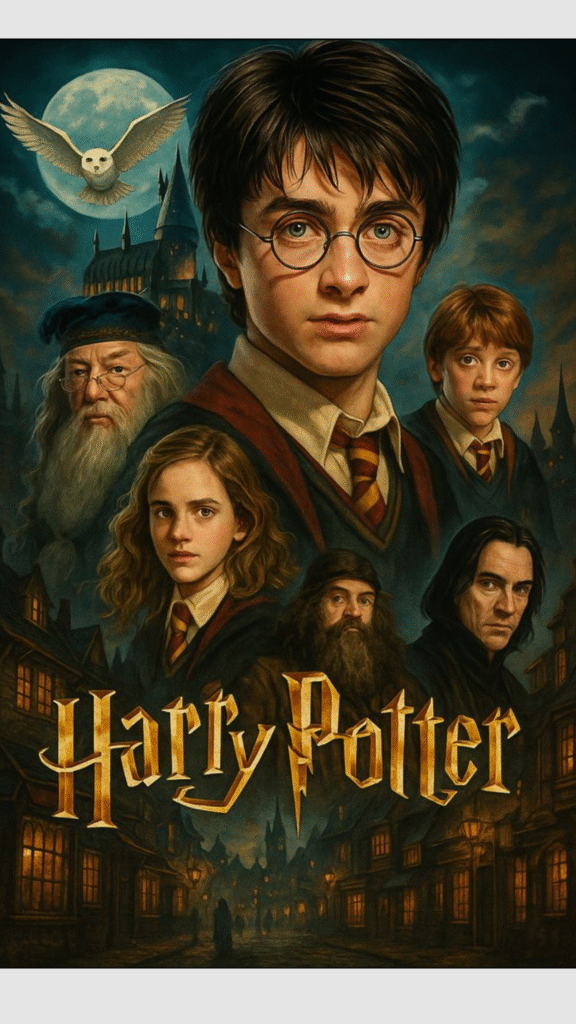
Some books don’t just tell a story—they create a universe. Harry Potter and the Sorcerer’s Stone by J.K. Rowling is one such masterpiece. First published in 1997, this book introduced readers to the magical world of Hogwarts, spellbinding adventures, and unforgettable characters.
This Harry Potter and the Sorcerer’s Stone book review covers everything you need to know: the summary, major themes, character insights, life lessons, pros & cons, who should read it, famous quotes, and FAQs.
Whether you’re a new reader discovering Hogwarts for the first time or a longtime fan revisiting the magic, this review will help you see why this book is more than just fantasy—it’s a journey of courage, friendship, and self-discovery.
👩 About the Author – J.K. Rowling
J.K. Rowling, born in 1965 in Yate, England, is one of the most successful and beloved authors in the world. Her journey is itself a story of perseverance: she was a single mother living on welfare when she wrote the first Harry Potter manuscript.
The manuscript was famously rejected by 12 publishers before being accepted by Bloomsbury. Today, Rowling’s Harry Potter series has sold over 500 million copies, translated into 80+ languages, and adapted into blockbuster films, video games, and theme parks.
📚 Harry Potter and the Sorcerer’s Stone Summary
The book opens with the seemingly ordinary life of an orphan boy, Harry Potter, who lives with his cruel aunt, uncle, and cousin, the Dursleys. On his eleventh birthday, Harry learns the truth: he is a wizard.
Soon, Harry is invited to attend Hogwarts School of Witchcraft and Wizardry, where he makes lifelong friends—Ron Weasley and Hermione Granger—and encounters magical creatures, enchanted objects, and the mysteries of wizarding life.
The central conflict revolves around the Sorcerer’s Stone, a legendary object that grants immortality. Harry and his friends uncover a plot by Lord Voldemort, the dark wizard who killed Harry’s parents, to return to power using the Stone.
In the end, Harry’s bravery, the wisdom of Dumbledore, and the power of love prevent Voldemort from succeeding, setting the stage for an epic saga across seven books.
🌟 Key Themes
Good vs. Evil – Voldemort represents corruption and cruelty, while Harry symbolizes courage and hope.
Friendship & Loyalty – The bond between Harry, Ron, and Hermione is the true heart of the story.
Courage & Self-Sacrifice – Harry constantly risks himself to protect others.
The Power of Love – Harry’s survival is tied to his mother’s sacrifice, showing love as the greatest magic.
Identity & Belonging – From “The Boy Who Lived” to simply being Harry, the novel explores self-discovery.
📝 Lessons from Harry Potter and the Sorcerer’s Stone
True friends are life’s greatest treasure.
Bravery is not the absence of fear, but facing it anyway.
Kindness and loyalty matter more than talent.
Curiosity and knowledge (Hermione) can save lives.
Power fueled by love always overcomes power fueled by fear.
Don’t judge people by their backgrounds—heroes can come from anywhere.
Greed and obsession (Voldemort, Quirrell) always lead to downfall.
✅ Pros & ❌ Cons
✅ Pros
Imaginative, immersive world-building
Relatable characters that grow with readers
Mix of adventure, humor, and moral lessons
Universal appeal across ages
❌ Cons
Simpler writing style compared to later books
Some characters are underdeveloped in Book 1
A few scenes may feel predictable for adult readers
👥 Who Should Read This Book?
Children (ages 8+) discovering fantasy literature
Teenagers seeking adventure & friendship stories
Adults who enjoy timeless fantasy worlds
Anyone looking for a heartwarming, magical escape
✍️ Famous Quotes
“It does not do to dwell on dreams and forget to live, remember that.” – Albus Dumbledore
“There is no good or evil, there is only power, and those too weak to seek it.” – Professor Quirrell/Voldemort
“The truth. It is a beautiful and terrible thing, and should therefore be treated with great caution.” – Albus Dumbledore
📌 Final Thoughts & Recommendation
Harry Potter and the Sorcerer’s Stone is not just a book—it’s an invitation to a universe. Rowling captures the magic of childhood, the pain of loss, and the joy of friendship in a way that resonates with all ages.
Published in 1937, The Hobbit Book is J.R.R. Tolkien’s groundbreaking fantasy adventure that first introduced Middle-earth to readers. It tells the story of Bilbo Baggins, a reluctant hero who joins an epic quest and discovers Read more
0 Comments