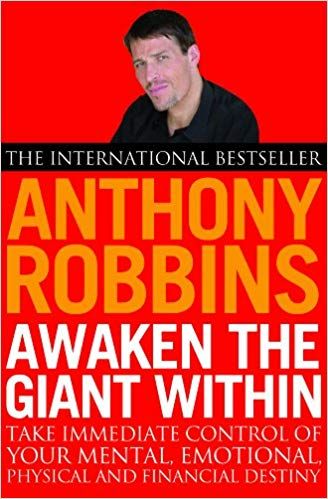
If you are searching for an honest Awaken the Giant Within review, this comprehensive blog post will walk you through the summary, ideas, lessons, pros and cons, and whether this renowned self-help book is still Read more
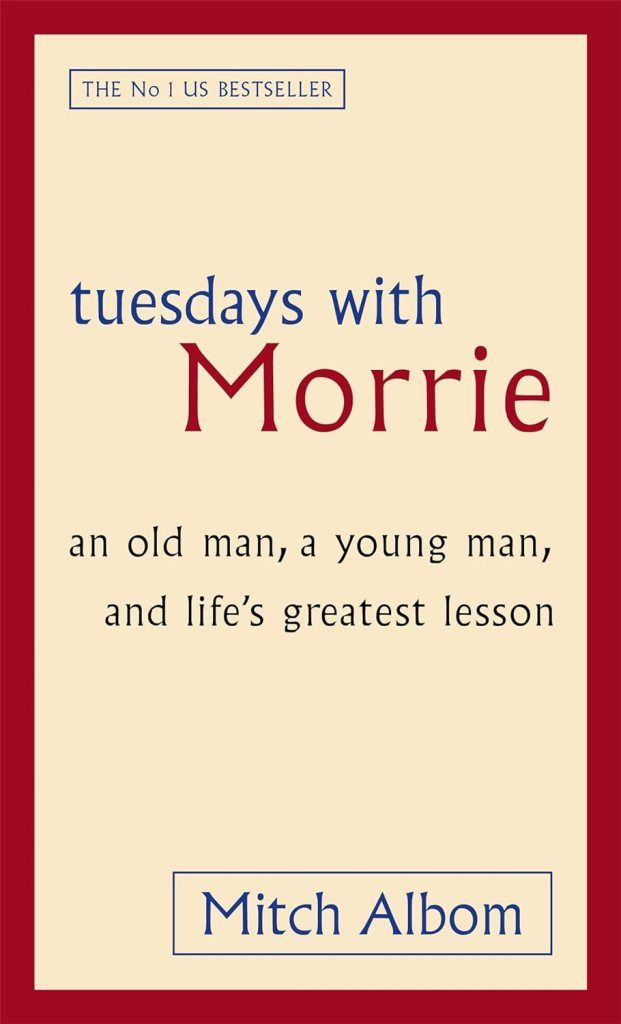
If you’re looking for a complete and honest Tuesdays with Morrie book review, in this in-depth blog post, we will examine the summary, themes, character analysis, writing style, lessons learned, and whether this inspiring autobiographical Read more
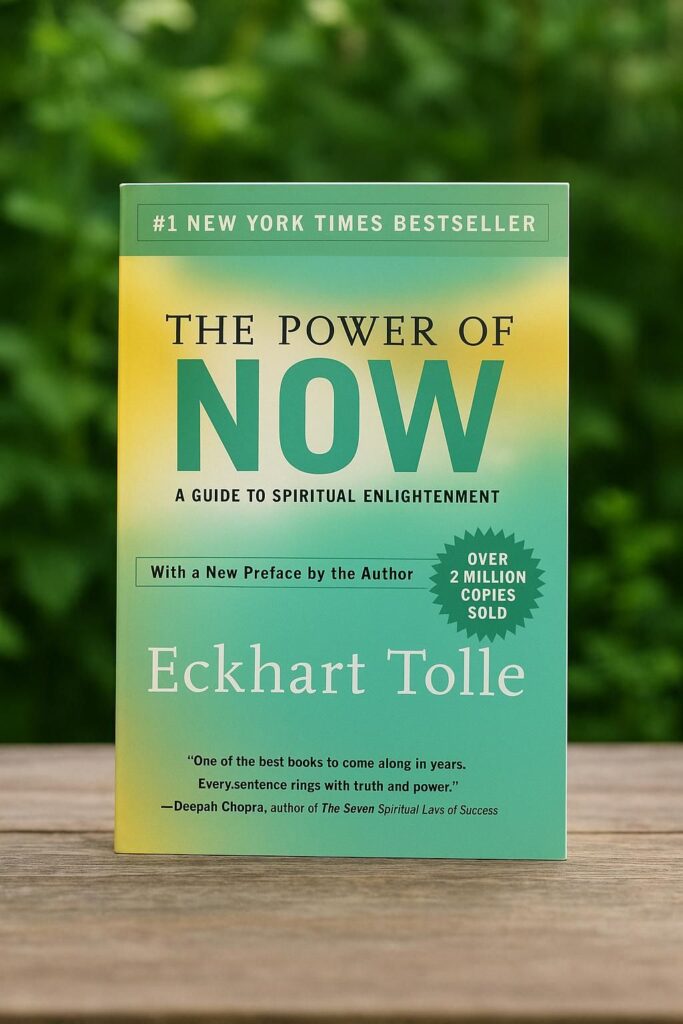
Certain books teach you things. Others shift your paradigm. The Power of Now by Eckhart Tolle belongs to the latter category. Reading it is not an experience—it’s an awakening.In this in-depth The Power of Now Read more
Some novels are simply stories, while others become emotional journeys that stay with you forever. Khaled Hosseini’s The Kite Runner (2003) is one such unforgettable masterpiece. Set against the backdrop of Afghanistan’s turbulent history, the book explores friendship, betrayal, guilt, and the painful but healing path of redemption.
This The Kite Runner book review dives deep into its storyline, themes, chapter-wise highlights, life lessons, and its global impact. If you’ve ever wondered why this novel has touched millions worldwide, this review will answer all your questions.
👨 About the Author – Khaled Hosseini
Khaled Hosseini was born in Kabul, Afghanistan, in 1965. His father worked for the Afghan foreign ministry, while his mother was a teacher. In 1980, when the Soviet invasion destabilized Afghanistan, his family sought asylum in the United States.
While working as a physician, Hosseini began writing stories that captured the struggles of Afghan people caught between war, migration, and cultural identity. His debut novel, The Kite Runner, became an international bestseller, translated into over 40 languages, and later adapted into a Hollywood film.
📚 The Kite Runner Summary – Chapter-Wise Highlights
Instead of a plain summary, let’s break the story into three main parts, capturing its emotional journey.
🔹 Part 1 – Childhood in Kabul
Amir, the privileged son of a wealthy man (Baba), grows up in Kabul.
His closest companion is Hassan, the son of their Hazara servant.
Despite social divisions, the two share a bond, especially through kite flying.
During a kite competition, Amir wins, but he betrays Hassan when bullies assault him.
Instead of helping, Amir watches silently—a moment of cowardice that haunts him forever.
💬 Quote:“For you, a thousand times over.” – Hassan’s loyalty to Amir, which becomes the most memorable line of the novel.
🔹 Part 2 – Exile and Guilt in America
After the Soviet invasion, Amir and Baba flee to the U.S.
In California, they rebuild their lives but live modestly.
Baba eventually dies, but Amir continues to struggle with guilt over Hassan.
He becomes a writer but feels incomplete, burdened by the past.
💬 Quote:“It may be unfair, but what happens in a few days, sometimes even a single day, can change the course of a whole lifetime.” – A reflection on Amir’s betrayal of Hassan.
🔹 Part 3 – Return to Afghanistan & Redemption
Amir’s father figure, Rahim Khan, calls him back to Pakistan with the message: “There is a way to be good again.”
Amir learns that Hassan was actually his half-brother. Hassan was killed by the Taliban, but his son Sohrab remains alive.
To redeem himself, Amir decides to rescue Sohrab from Taliban captivity.
In a brutal confrontation, Amir faces Assef, Hassan’s old tormentor.
Amir returns to the U.S. with Sohrab, beginning a new life together.
💬 Quote:“There is a way to be good again.” – A line that defines Amir’s path to redemption.
🌟 Key Themes & Life Lessons from The Kite Runner
Friendship and Loyalty – Hassan’s devotion shows what true friendship looks like.
Guilt and Redemption – Amir’s lifelong struggle reflects how guilt shapes human behavior.
The Impact of War – Afghanistan’s history is vividly portrayed through personal lives.
Social Injustice – Hazara-Pashtun conflict highlights ethnic discrimination.
Courage vs. Cowardice – Standing up for what’s right requires painful choices.
Family Secrets – Hidden truths can alter relationships forever.
Struggles with guilt, cowardice, and the burden of seeking redemption.
Hassan
Symbol of purity and loyalty.
Represents innocence lost to betrayal and prejudice.
Baba
Strong but morally complex father figure.
Represents Afghan masculinity, pride, and contradictions.
Assef
Villain embodying cruelty, prejudice, and the rise of extremism.
Sohrab
Symbol of lost innocence and the hope for a better future.
✅ Pros & ❌ Cons
Pros
Deeply emotional and powerful storytelling
Rich cultural and historical detail about Afghanistan
Relatable human flaws and moral dilemmas
Memorable quotes and characters
Cons
Contains disturbing scenes (assault, violence)
Heavy emotional tone may overwhelm sensitive readers
The later chapters feel rushed compared to the beginning
👥 Who Should Read This Book?
Lovers of emotionally intense and character-driven stories
Readers interested in Afghan history and culture
Anyone seeking powerful narratives of guilt, forgiveness, and redemption
Students of literature and social justice
📝 Famous Quotes from The Kite Runner
“For you, a thousand times over.” – Hassan’s ultimate loyalty.
“There is a way to be good again.” – Rahim Khan’s call for redemption.
“It may be unfair, but what happens in a few days can change the course of a whole lifetime.” – Amir’s realization.
“Children aren’t coloring books. You don’t get to fill them with your favorite colors.” – Baba’s wisdom.
📝 Final Thoughts & Recommendation
The Kite Runner is more than just a novel—it’s an emotional experience that explores the deepest human flaws and the healing power of redemption. Khaled Hosseini’s writing transports readers into the soul of Afghanistan, while reminding us that no betrayal is too great to seek forgiveness.
What would you do if the only way to keep yourself alive meant having to kill others — and the whole world watched? At the heart of Suzanne Collins’s The Hunger Games is the terrifying Read more
There are books that entertain, books that inspire, and then there are books that change the way you see the world. “A Thousand Splendid Suns” by Khaled Hosseini belongs to the third category. Set against Read more


0 Comments