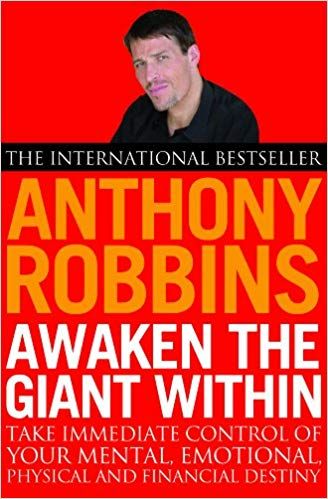
If you are searching for an honest Awaken the Giant Within review, this comprehensive blog post will walk you through the summary, ideas, lessons, pros and cons, and whether this renowned self-help book is still Read more
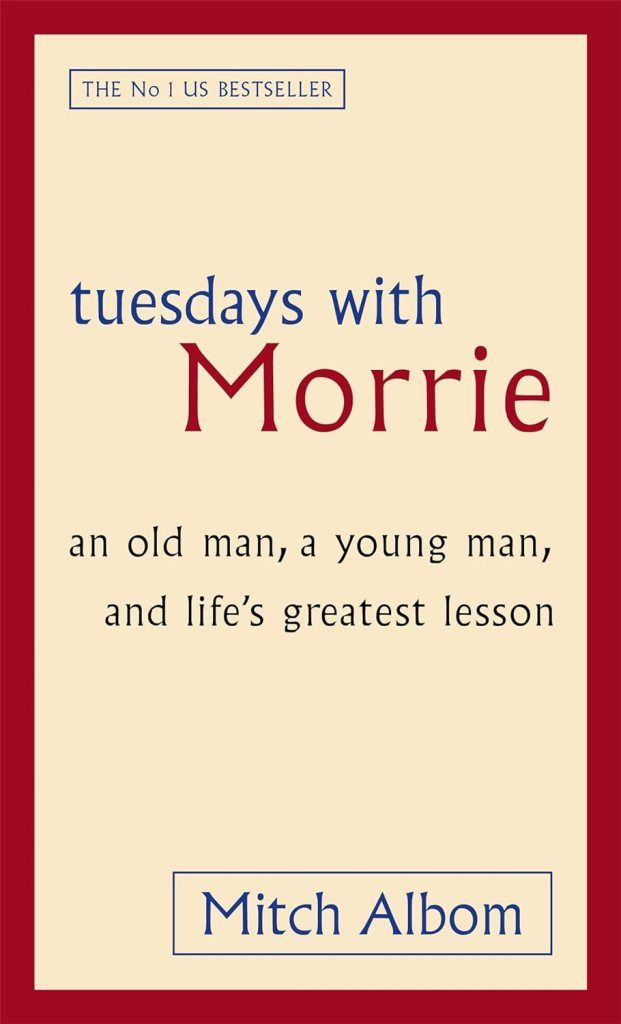
If you’re looking for a complete and honest Tuesdays with Morrie book review, in this in-depth blog post, we will examine the summary, themes, character analysis, writing style, lessons learned, and whether this inspiring autobiographical Read more
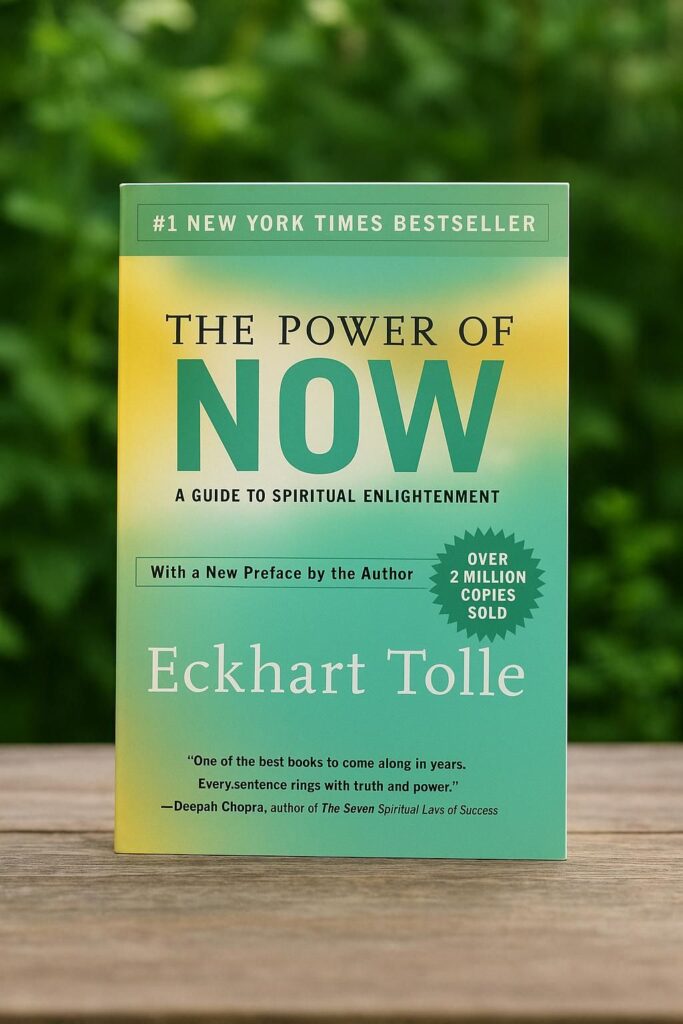
Certain books teach you things. Others shift your paradigm. The Power of Now by Eckhart Tolle belongs to the latter category. Reading it is not an experience—it’s an awakening.In this in-depth The Power of Now Read more
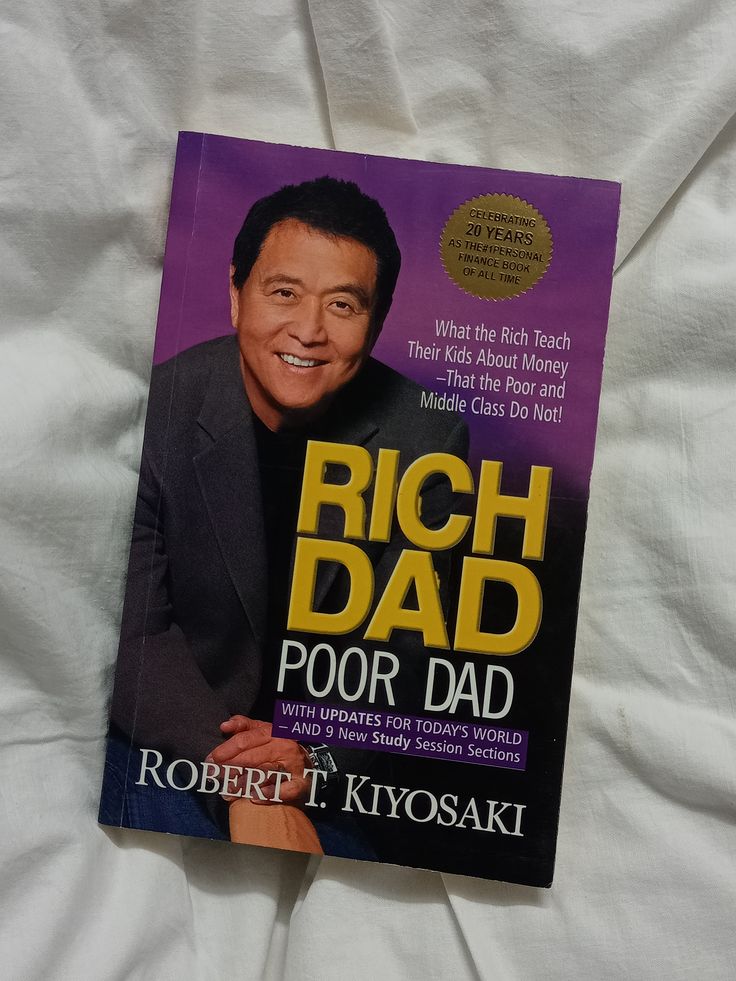
Some books come and go, but a few remain timeless because of the way they completely reshape how we think. Rich Dad Poor Dad by Robert Kiyosaki is one such book. Often called the bible of personal finance, it challenges traditional beliefs about money and inspires readers to seek financial independence through smart thinking, investments, and assets.
In this detailed Rich Dad Poor Dad book review, we’ll cover everything—about the author, a full book summary, the lessons it teaches, pros and cons, who should read it, and why it still matters today. If you’ve ever wondered why the rich keep getting richer while the poor stay stuck, this review is for you.
About the Author – Robert T. Kiyosaki
Robert Toru Kiyosaki, born in 1947, is a Japanese-American entrepreneur, investor, educator, and motivational speaker. Best known for his Rich Dad Poor Dad series, he has written over 26 books that focus on financial literacy, entrepreneurship, and wealth creation.
Kiyosaki himself experienced two very different influences in his life:
His biological father (Poor Dad) – A highly educated man who believed in traditional schooling and stable jobs but struggled financially.
His friend’s father (Rich Dad) – A businessman with little formal education but a deep understanding of money, assets, and wealth.
It is from this dual mentorship that the book Rich Dad Poor Dad was born.
Book Overview / Summary
Published in 1997, Rich Dad Poor Dad has sold over 40 million copies worldwide and continues to be a financial literacy bestseller. The book is written in the form of lessons Kiyosaki learned from his two father figures—his “rich dad” and his “poor dad.”
Central Themes:
The difference in mindset between the rich and the poor.
Why financial education matters more than traditional schooling.
Assets vs. Liabilities – The simple but powerful formula of wealth.
Breaking out of the rat race by building passive income.
Taking risks and entrepreneurship as the real path to financial freedom.
Detailed Chapter-Wise Summary
Lesson 1: The Rich Don’t Work for Money Most people work to earn a paycheck. But the rich focus on making money work for them. Instead of job security, rich dad emphasized entrepreneurship, investing, and building multiple streams of income.
Lesson 2: Financial Literacy is Key The book explains that being “educated” is not enough—you need financial education. Understanding accounting, investing, taxes, and market trends is what separates the rich from the poor.
Lesson 3: Mind Your Own Business Poor dad worked hard for his employer. Rich dad taught Robert to build his own business and acquire assets like real estate, stocks, or royalties.
Lesson 4: The History of Taxes and Power of Corporations Kiyosaki explains how the wealthy use corporations to protect wealth and reduce taxes, while employees often pay the highest tax rates.
Lesson 5: The Rich Invent Money Opportunities are everywhere, but only those with financial education recognize and seize them. The rich are not afraid to take calculated risks.
Lesson 6: Work to Learn, Not to Earn Instead of chasing salaries, Kiyosaki advises readers to gain skills—sales, marketing, leadership, and communication—that create lifelong opportunities.
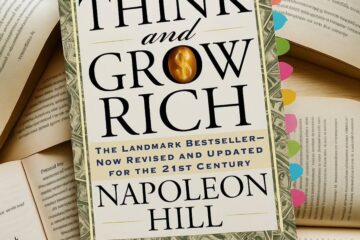
👉 You may also enjoy our review of Think and Grow Rich on Review Book shelf, another classic that aligns with Kiyosaki’s teachings.
Key Lessons from Rich Dad Poor Dad
Here are 10 powerful takeaways:
Assets make you rich, liabilities keep you poor.
Financial education is more important than academic degrees.
Don’t just work for money; make money work for you.
Taxes and corporations are tools the rich use wisely.
Risk-taking is necessary for financial growth.
Building passive income is the only escape from the rat race.
A job provides security, but not freedom.
Sales and communication skills are crucial to success.
Fear of failure holds most people back from wealth.
Start early, invest smart, and let compounding work for you.
Pros & Cons of the Book
Pros:
Simple, conversational language (easy to understand).
Motivates readers to think differently about money.
Teaches timeless financial lessons.
Inspires entrepreneurship and self-reliance.
Cons:
Some critics say it lacks practical step-by-step guidance.
Certain stories may feel repetitive.
Focuses heavily on real estate (which may not apply to everyone).
Who Should Read Rich Dad Poor Dad?
This book is ideal for:
Young professionals who want financial independence.
Students looking to understand money early.
Entrepreneurs and small business owners.
Anyone stuck in the 9–5 cycle who wants to break free.
If you’ve ever felt trapped in a job with little financial progress, this book can be life-changing.
Final Thoughts & Recommendation
In conclusion, Rich Dad Poor Dad is more than just a finance book—it’s a mindset shift. It challenges our beliefs about money and shows us that wealth is not about how much you earn, but how you think and what you do with your money.
👉 If you haven’t read it yet, we highly recommend downloading or buying a copy. It might just change the way you see money forever.
📌 The review book shelf provides free PDF and detailed reviews of famous books and biographies.
Some books impart strategies. Others completely change your perspective. Napoleon Hill’s 1937 book Think and Grow Rich falls into the second category. It summarizes the keys to success gleaned from interviews with business titans like Read more
When people talk about the greatest investment books of all time, one name always rises above the rest: The Intelligent Investor by Benjamin Graham. First published in 1949, this book is often called the “Bible Read more
0 Comments