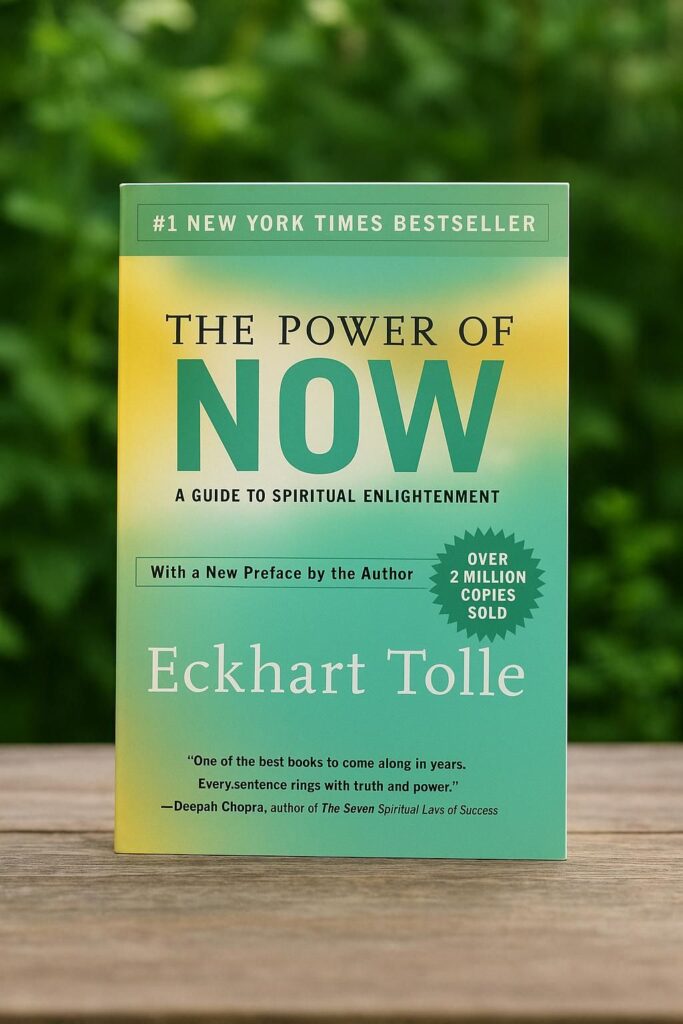
Certain books teach you things. Others shift your paradigm. The Power of Now by Eckhart Tolle belongs to the latter category. Reading it is not an experience—it’s an awakening.In this in-depth The Power of Now Read more
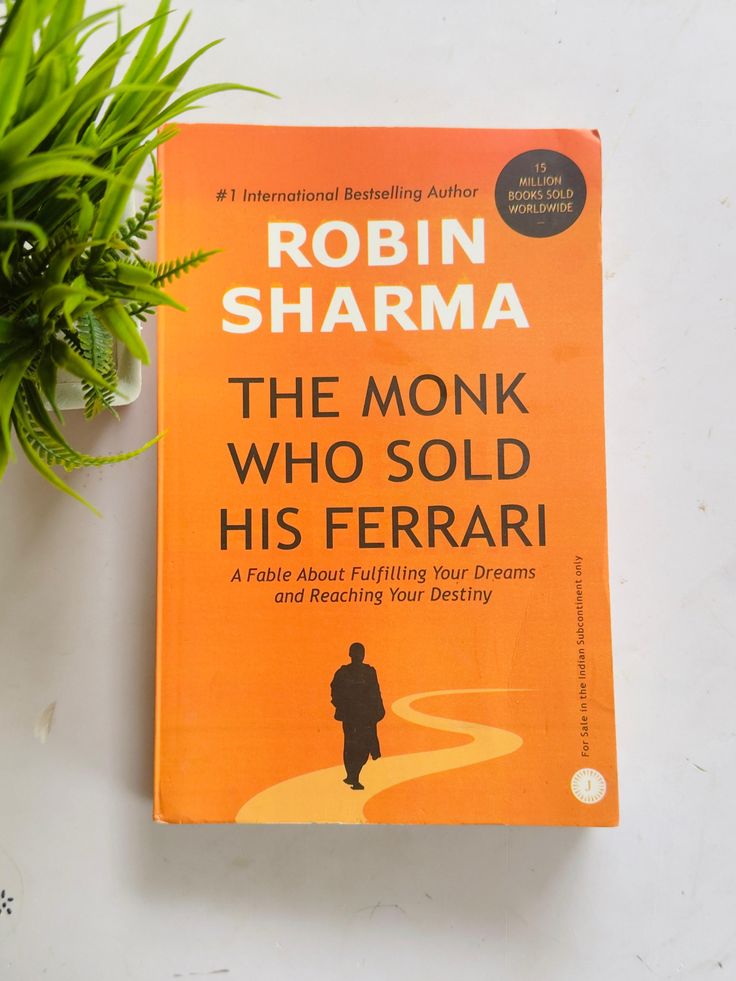
While some books inspire you for a week or two, some inspire you for the rest of your life. “The Monk Who Sold His Ferrari” is a motivational book of the latter kind. In this Read more
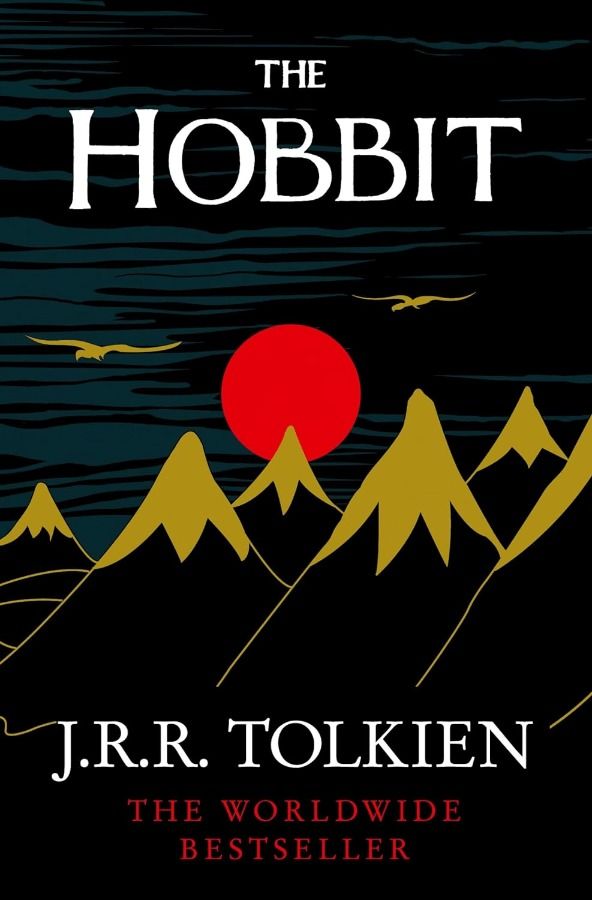
Published in 1937, The Hobbit Book is J.R.R. Tolkien’s groundbreaking fantasy adventure that first introduced Middle-earth to readers. It tells the story of Bilbo Baggins, a reluctant hero who joins an epic quest and discovers Read more
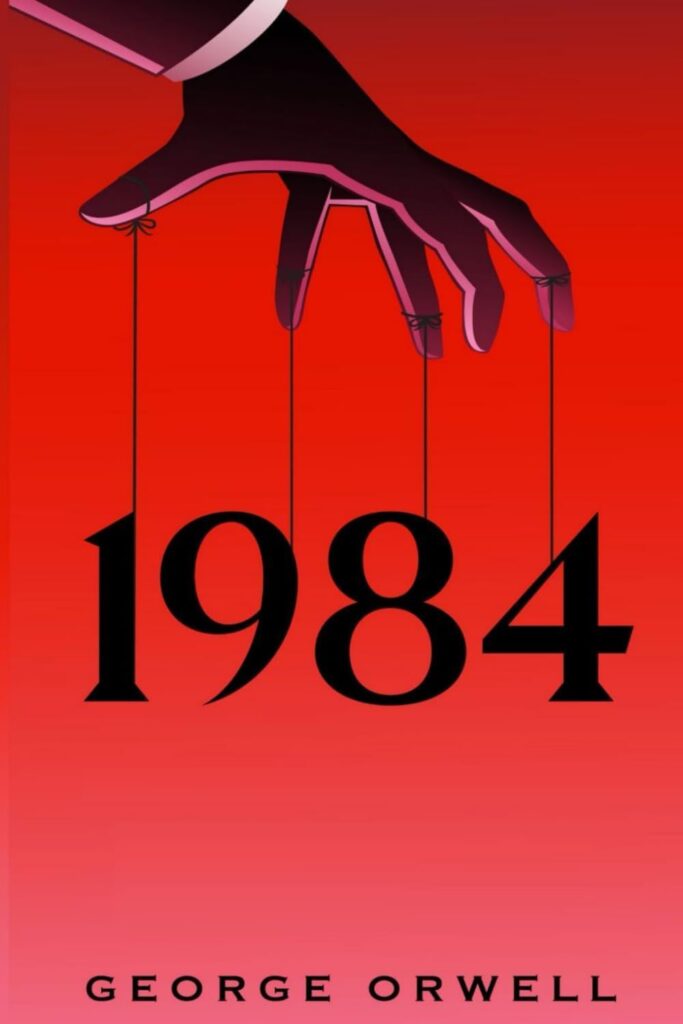
Few novels have left as powerful an imprint on global culture asGeorge Orwell’s 1984. Published in 1949, it remains one of the most influential dystopian novels of all time. Terms like Big Brother, Thought Police, doublethink, and Newspeak have entered common language, symbolizing the dangers of authoritarianism, mass surveillance, and manipulation of truth.
In this 1984 George Orwell book review, we’ll explore the summary, characters, themes, lessons, and relevance in 2025, with detailed insights for students, researchers, and everyday readers.
George Orwell (1903–1950), born Eric Arthur Blair, was a British novelist, journalist, and social critic. Known for his sharp insights into politics and society, Orwell’s works, especially Animal Farm (1945) and 1984 (1949), remain essential readings on power and corruption.
His experiences during World War II, colonial rule, and observing totalitarian regimes shaped his warnings against oppressive governments. Orwell passed away just a year after publishing 1984, but his vision continues to resonate.
The novel is set in Airstrip One (formerly Britain), a province of the totalitarian superstate Oceania, ruled by the mysterious figure of Big Brother. The Party controls every aspect of life—thoughts, speech, history, and even personal relationships.
Main Plot Overview
Winston Smith, the protagonist, works at the Ministry of Truth, where he alters historical records to fit Party propaganda.
Winston secretly despises the regime and dreams of rebellion.
He begins a forbidden love affair with Julia, a fellow Party member, which represents his act of resistance.
Both are eventually captured by the Thought Police and tortured into submission.
In the chilling climax, Winston is brainwashed to love Big Brother, symbolizing the destruction of individuality.
🧑🤝🧑 Major Characters in 1984
Winston Smith – The everyman who struggles against the Party’s control.
Julia – Winston’s lover, represents instinctive rebellion.
O’Brien – A high-ranking Party member who deceives Winston, symbolizing betrayal.
Big Brother – The omnipresent, possibly fictitious leader of the Party.
Emmanuel Goldstein – The supposed enemy of the state, used as a scapegoat.
🎭 Key Themes in 1984 George Orwell
1. Totalitarianism & Control
Orwell illustrates how an all-powerful government can manipulate truth, history, and even thoughts.
2. Surveillance & Big Brother
The Party’s constant monitoring represents modern fears of mass surveillance through technology.
3. Manipulation of Truth
“Who controls the past controls the future. Who controls the present controls the past.” – The Party rewrites history endlessly.
4. Loss of Individuality
Winston’s struggle highlights the fragility of personal freedom under oppressive regimes.
5. Language as a Weapon (Newspeak)
By controlling language, the Party limits freedom of thought itself.
🌟 Lessons from 1984
Freedom requires vigilance – Societies must guard against creeping authoritarianism.
Truth matters – Manipulating facts undermines freedom.
Surveillance limits individuality – Privacy is essential for personal freedom.
Language shapes reality – Restricting words restricts thought.
Resistance has consequences – Orwell shows the risks of rebellion against powerful systems.
📈 Relevance of 1984 in 2025
Even 76 years after its publication, 1984 feels eerily modern.
With the rise of AI surveillance, misinformation, censorship, and data control, Orwell’s warnings are more urgent than ever.
The novel remains a cautionary tale for democracies and a tool for students analyzing politics, literature, and philosophy.
✅ Pros & ❌ Cons of 1984
✅ Pros
Timeless warning about authoritarianism.
Deeply thought-provoking with universal themes.
Rich symbolism and literary quality.
❌ Cons
Dark and depressing tone may deter casual readers.
Complex political references may feel heavy.
No happy ending (though that’s the point).
👥 Who Should Read 1984?
Students & researchers studying literature or political science.
Writers & journalists seeking insights into truth and power.
Leaders & citizens concerned about democracy and freedom.
Anyone curious about the origins of “Big Brother” culture.
💡 Final Thoughts & Recommendation
George Orwell’s 1984 is not just a novel—it’s a cultural landmark and a political prophecy. It warns us of what happens when truth, freedom, and individuality are surrendered to unchecked power.
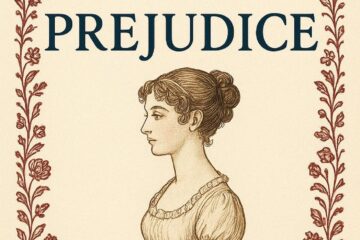
Some books are not just novels; some books are mirrors of our society. Pride and Prejudice, a masterpiece written by Jane Austen and published in 1813, definitely fits that criteria. In this detailed Pride and Read more
📖 Introduction Some books entertain, others educate, but very few have the power to change how we see the world. Harper Lee’s To Kill a Mockingbird is one such masterpiece. First published in 1960, this Read more

0 Comments